
JWsoalr was founded in 2016, with its headquarters located in Beijing. It has branches and subsidiaries in Shanghai, Hefei, Singapore and Tokyo. The company's core technology team is composed of a high-standard and young team of scientific and technological innovation talents, who are alumni of Tsinghua University, Fudan University and Shanghai Jiao Tong University. Its core strategy and operation team consists of a group of senior professionals who have been deeply engaged in the photovoltaic industry for more than 15 years. JWsoalr is a technology company dedicated to providing intelligent solutions for the entire life cycle of photovoltaic (PV) power plants. Against the background of the integration of digital technology and the new energy industry, the company is committed to providing safer, more efficient and professional technical solutions for the operation of PV power plant assets through the in-depth application of technologies such as artificial intelligence (AI), big data, cloud computing and unmanned aerial vehicles (UAVs) in the field of PV power plants.
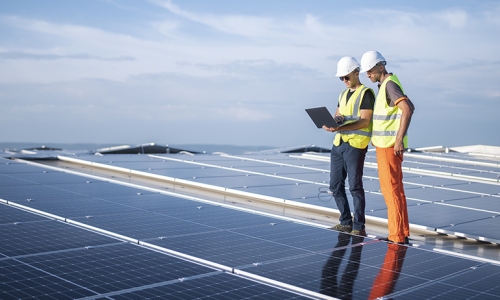
By adopting image-based SLAM (Simultaneous Localization and Mapping) technology—also known as real-time localization and map construction, or concurrent mapping and localization—accurate component-level positioning can still be achieved for complex mountainous terrains and floating solar power plants on water.
For the string inverters that have been localized via image segmentation, integrate information such as geographic data, splice the string inverters using the full-image stitching algorithm, and filter out invalid information. Meanwhile, it supports both simulated panoramic view and power station array diagram marking methods, generating a complete and accurate mimic diagram of the string inverter position distribution across the entire station.
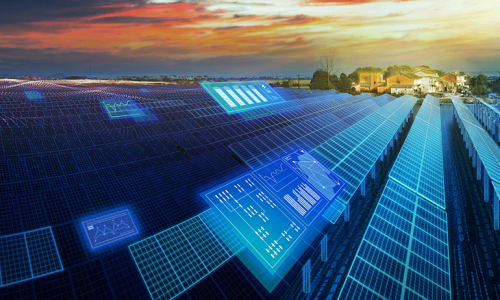
Based on Ricoh's advanced image recognition algorithm, an image data comparison program has been developed. It adopts a variety of artificial intelligence technologies, including infrared image recognition technology, sensor fusion technology, image analysis and positioning technology, deep neural network learning target segmentation algorithm, multi-source data fusion algorithm for infrared and visible light positioning information, image analysis algorithm based on morphological and clustering methods, and fault statistical analysis and mining algorithm for massive historical data.
The full set is equipped with a new Internet of Things module and AI intelligent analysis system, which can better help users complete product image data recognition and inspection reports.
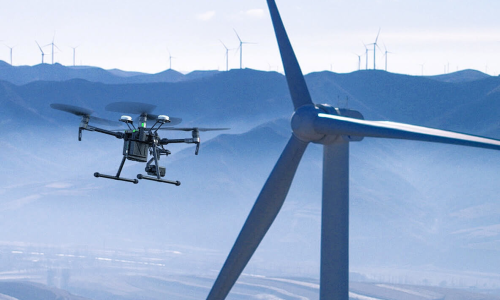
Work efficiency has increased by nearly 10 times compared to manual inspection!
Read More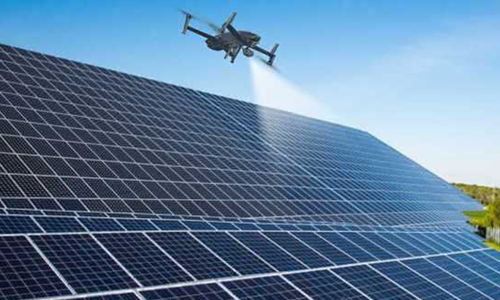
Work efficiency has increased by nearly 10 times compared to manual inspection!
Read More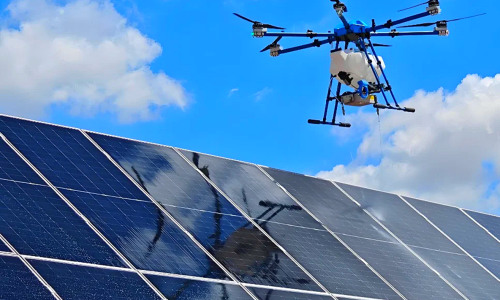
Work efficiency has increased by nearly 10 times compared to manual inspection!
Read MoreOur equipment plays a vital role in long-distance transportation across various industries, ensuring transportation efficiency, durability, and safety in harsh environments.
Large-scale photovoltaic power stations are built using large areas of unused land such as deserts, Gobi, water surfaces, deserts, and mountainous areas and relatively stable solar energy resources
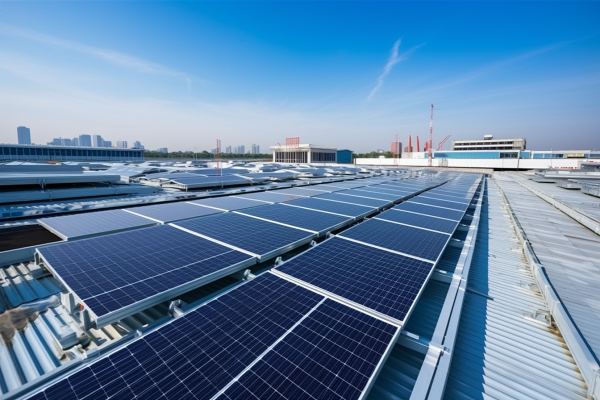
Refers to solar photovoltaic power generation systems attached to buildings, also known as "mounted" solar photovoltaic buildings
Using the vast area of the fish pond, a solar power generation system is installed above the water surface of the fish pond, and aquaculture is still carried out below, which is used for dual purposes
Photovoltaic power generation outside the shed, vegetables are planted in the shed, and the remaining electricity is integrated into the public grid in addition to the use in the shed
BIPV refers to photovoltaic building integration, which is designed, constructed and installed at the same time as the building
Engineered for high-pressure and long-distance transportation, our pipes provide a secure and efficient solution for energy transmission.






Follow the latest developments in the industry in real time and keep up with the times
With the continuous large-scale development of the domestic photovoltaic industry, the number of ground power stations and distributed photovoltaic projects is rapidly increasing. The industry has raised higher standards for the portability, measurement accuracy, and fault diagnosis capabilities of on-site testing equipment. Traditional large-scale IV testing equipment is bulky, cumbersome to transport and deploy, and difficult to adapt to complex on-site environments such as mountains, rooftops, and distributed industrial and commercial environments. Operations personnel find it difficult to efficiently complete large-scale string performance screening work. Jiangsu Jingwei Technology is based on the actual pain points of the photovoltaic testing industry and has launched the JW-IV10 portable IV tester. With high-precision acquisition technology, lightweight body design, and intelligent analysis algorithms, it provides a complete on-site testing solution for photovoltaic power plant acceptance, daily inspection, and fault location, promoting photovoltaic operation and maintenance to steadily move towards refinement and digitization. Outdoor IV…
READ MORE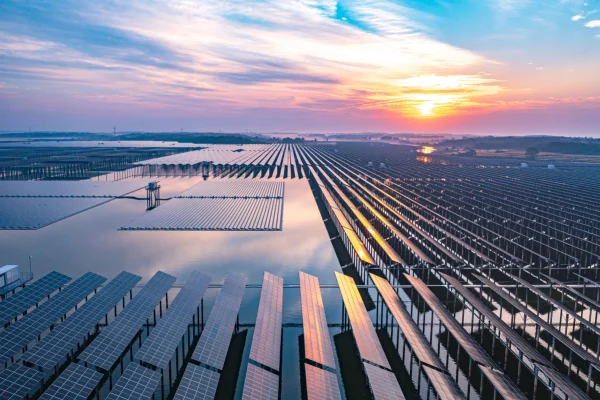
Solar irradiance is the most fundamental environmental parameter in the photovoltaic industry. Component power calibration, IV curve STC standard conversion, site light resource assessment, power generation verification, and third-party testing report issuance are all based on accurate irradiance measurement. If there is a deviation in the irradiation data, all subsequent performance measurement results will be distorted, directly affecting the performance evaluation and revenue calculation results of the power station. Ordinary simple irradiation equipment on the market generally has shortcomings such as large temperature drift, insufficient spectral matching, and poor outdoor environmental stability. Large desktop irradiation instruments are inconvenient to carry and difficult to adapt to various distributed photovoltaic on-site mobile detection needs such as roofs and mountains. Jiangsu Jingwei JW-F04 portable irradiance meter, benchmarking against A-level measurement standards, balancing high precision and portability, has become the basic standard instrument for photovoltaic field testing, providing reliable light energy data support for…
READ MORE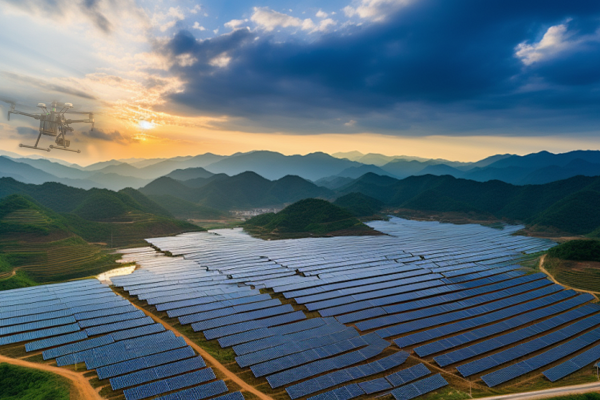
Long term exposure of photovoltaic systems to outdoor environments, such as cable aging, damaged insulation layers of components, and moisture and water ingress of wiring terminals, can cause a decrease in insulation performance, resulting in leakage and PID effects. In severe cases, it can lead to equipment damage and even personal safety risks. Insulation resistance testing is an essential safety inspection item for photovoltaic system installation acceptance and annual safety inspection. By measuring the insulation resistance value, it can intuitively evaluate the electrical isolation status of components, cables, combiner boxes, and inverters on the DC side, and detect potential safety hazards in advance. In response to the high voltage characteristics of photovoltaic DC systems, Jiangsu Jingwei Technology has developed the JW-J25 insulation resistance tester, which is customized and developed for the photovoltaic industry. It balances testing accuracy, operational safety, and portability, providing professional solutions for electrical safety testing of photovoltaic…
READ MORE