

Photovoltaic power station performance testing content and methods

August 28, 2025
Share This Article
Photovoltaic power station performance testing content and methods

Items during on-site inspection of photovoltaic power station operation and maintenance and technicians include: infrared camera (hot spot inspection), stain occlusion loss, photovoltaic module performance degradation, photovoltaic cluster string temperature rise loss, photovoltaic module/string series and parallel mismatch loss, EL test, photovoltaic array mutual occlusion loss, DC line loss, inverter efficiency, inverter MPPT efficiency, transformer efficiency, AC line loss, photovoltaic array insulation test, grounding continuity test, grid connection performance test (grid connection point power quality, island protection, active/ reactive power control ability, low voltage ride-through and voltage/frequency adaptability verification) and other test contents.

In the test project of the photovoltaic power station using string inverters, it should be determined according to the actual situation.
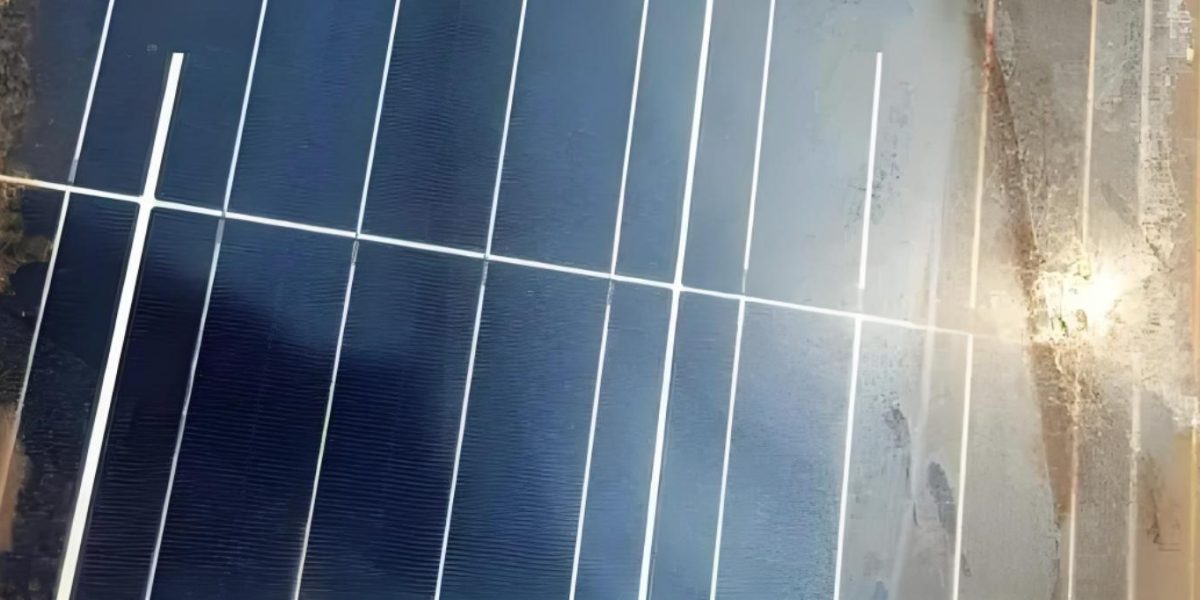
1. Infrared (IR) scanning inspection of photovoltaic modules (full inspection using drones)
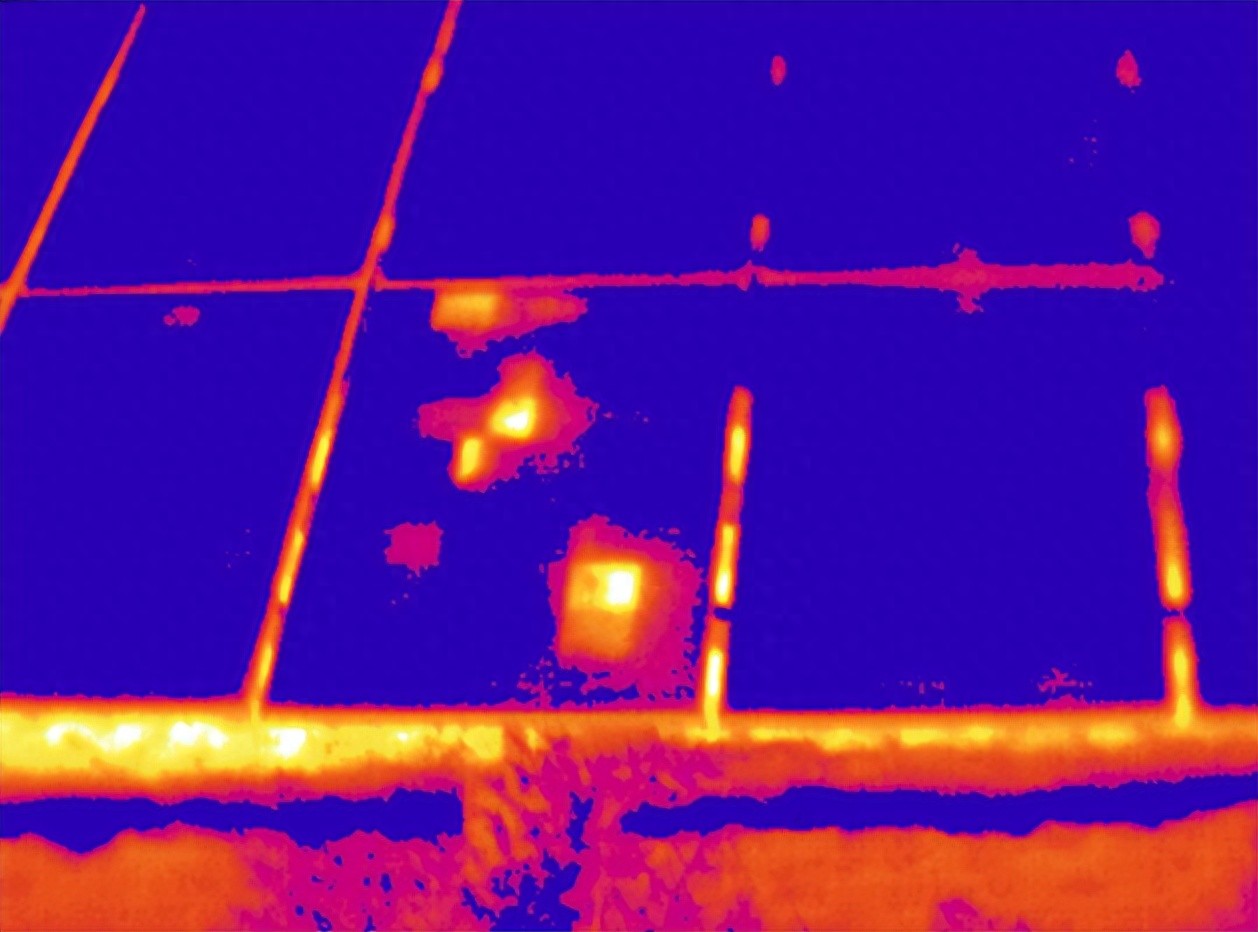
(1) When the photovoltaic operation and maintenance personnel scan the photovoltaic modules by infrared scanning, the photovoltaic array should be in normal working condition during detection, and the irradiance of the array should be higher than 600W/㎡ to ensure that there is enough current to generate high temperature in the problematic part.

When the temperature difference directly above the cell on the outer surface of the same module exceeds 20°C, it should be regarded as a hot spot.

Infrared scanning should focus on battery hot spots, problematic bypass diodes, junction boxes, solder tapes, connectors, etc.

If there are hot spots, obvious yellowing and discoloration should generally be seen in the hot spots.
2. Photovoltaic system stains and dust shielding losses
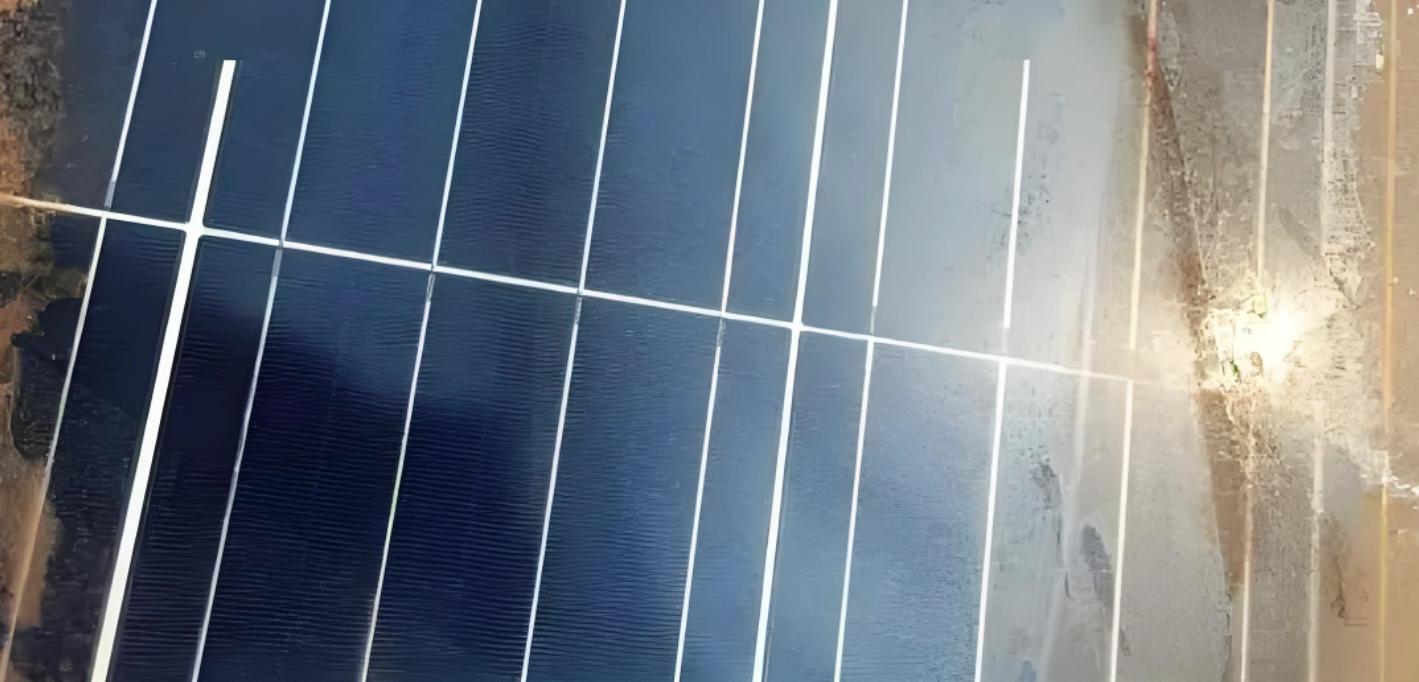
If there is a dust accumulation monitoring reference sheet (the short-circuit current of the photovoltaic cell has a linear relationship with the dust occlusion degree or irradiance), the dust accumulation occlusion loss value of the reference sheet at that time will be retrieved. For photovoltaic modules or photovoltaic arrays, the decrease of short-circuit current is consistent with the decrease of power under uniform dust accumulation conditions, and the decrease of short-circuit current is different from the decrease of power under non-uniform dust accumulation conditions. In order to compare the relationship between irradiance loss and power loss, in addition to obtaining the data of the reference sheet, the dust accumulation loss should be actually tested according to the following method and compared with the monitoring results of the reference sheet.

Related Post

August 28, 2025

Anti-involution, the inflection point of photovoltaics is approaching

On the evening of August 19, the official Weibo of "Industry and Information Technology Weibao" broke news that the Ministry of Industry and Information Technology, the Ministry of Social Work of the Central Committee, the National Development and Reform Commission, the State-owned Assets Supervision and Administration Commission of the State Council, the State Administration for Market Regulation, and the National Energy Administration jointly held a symposium on the photovoltaic industry on the same day to further standardize the competition order of the photovoltaic industry. According to the official statement of the official Weibo of "Industry and Information Technology Weibo" on the evening of the 19th, the heads of relevant photovoltaic manufacturing enterprises and power generation enterprises, the China Photovoltaic Industry Association, and relevant local industry and information technology departments attended the meeting. Different from the caliber of the "Industry and Information Technology WeChat" symposium on July 3, the official release…

READ MORE
August 28, 2025

What are the main contents detected in photovoltaic power plants?

1. Core equipment testing is the foundation, photovoltaic modules need to be visually inspected for cracks, hidden cracks (EL test), occlusion and hot spots (infrared thermal imager), and open circuit voltage and power attenuation are measured; The inverter monitors input and output parameters, temperature and fault alarms, and tests the conversion efficiency and harmonics. The combiner box checks the overheating of the fuse and wiring, and tests the lightning protection module. 2. Electrical system testing covers distribution cabinet wiring, three-phase balance, cable insulation resistance and laying conditions; The grounding system measures the grounding resistance (≤4Ω) and checks the connection reliability. Lightning protection facilities test the operation performance of lightning rods, down conductors and lightning protectors. 3. Performance and environmental monitoring The power generation is counted through the SCADA system, and the loss is analyzed compared with the theoretical value. Monitor irradiance, ambient and component temperature, and wind speed to optimize…

READ MORE

Efficient image batch recognition

The matching Ai automatic identification and diagnosis software has more excellent processing capabilities